Service Hotline
Resources

Resources
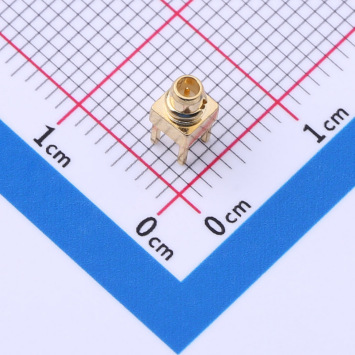
What is MMCX connector
2025-11-18
206
Understanding the MMCX connector
The question What is MMCX connector is common among procurement teams and engineers who work with compact RF modules. The MMCX connector is a small RF interface designed for devices that require dependable signal paths inside tight spaces. Many professionals rely on this interface because it delivers stable engagement even when equipment faces vibration or shifting loads. When designers consider miniature RF formats, they frequently compare the MMCX connector to larger standards to determine how its footprint aligns with mechanical limits. Thanks to its snap-on coupling style, this interface offers ease of integration and repeatable mating cycles without sacrificing durability.
The development history of MMCX connector
Tracing the past of this interface helps teams understand its maturity. When reviewing the "development history of MMCX connector" technology, specialists notice a steady evolution driven by shrinking consumer devices. Early RF components were bulky, so engineers sought a connector series that could retain reliability while reducing size. Over time, this interface gained broad acceptance among wireless designers due to its practical combination of compact geometry and robust electrical behavior. A growing interest in handheld equipment accelerated adoption, as product designers needed something lighter than traditional RF formats yet sturdy enough for field usage. This journey shows why the interface remains relevant for high-density layouts.
Characteristics of MMCX connector
A discussion about the "characteristics of MMCX connector" solutions usually revolves around mechanical precision and RF stability. Many buyers highlight features such as secure snap locking, compact male-female alignment, and resistance to rotational stress. Engineers often appreciate how the construction supports low reflections when used with well-matched transmission lines. Another important trait is repeatable insertion performance, which supports maintenance needs inside serviceable devices. For teams comparing alternative RF interfaces, these traits often influence design decisions.
Mechanical traits
Several mechanical qualities differentiate this series. Miniature housings, gold-plated contacts, and optimized spring structures contribute to consistent engagement. Designers value these elements because they help maintain stable attenuation levels even in dynamic environments.
Electrical behavior
From an electrical standpoint, the interface supports frequencies up to several gigahertz, depending on product grade. Stable impedance and controlled tolerances make it suitable for antennas, GPS modules, wireless cards, and sensitive RF front ends.
Parameters of MMCX connector
Procurement specialists and engineers typically examine the "parameters of MMCX connector" models to validate project compatibility. These parameters include impedance ratings, frequency limits, contact materials, plating thickness, and mating durability. Evaluating these factors helps project teams select parts that satisfy long-term reliability goals.
l Characteristic impedance, generally 50 Ω
l Typical frequency range up to 6 GHz (varies by manufacturer)
l Mating durability usually around 500 cycles
l Gold, brass, or stainless-steel material options
l Right-angle and straight configurations
Roles of MMCX connector
The "roles of MMCX connector" parts extend across several RF chains. Hardware designers integrate them into antenna paths, wireless modules, PCB-based radio circuits, test points, and embedded communication systems. Procurement teams often select this series because it offers a balance between mechanical flexibility and high-frequency capability. Many portable designs rely on this interface to maintain compact builds while avoiding signal loss across moving joints.
Applications of MMCX connector
Exploring the "applications of MMCX connector" hardware reveals how versatile it is in modern consumer electronics. Engineers implement it in smartphones, fitness trackers, drones, modems, VR headsets, routers, and handheld communication tools. The small diameter makes it ideal for Wi-Fi modules, LTE cards, GNSS receivers, test instruments, and embedded IoT products. Because consumer product layouts constantly shrink, the interface remains essential for new wireless designs.
Common usage scenarios
Several areas depend heavily on this interface. Wearables often place RF circuits near the enclosure walls, so compact connectors help reduce mechanical stress. Portable communication devices require connectors that maintain strong electrical contact during motion. Test systems use them for quickly swapping RF paths during prototyping without damaging fragile circuits.
Manufacturers of MMCX connector
Evaluating the "manufacturers of MMCX connector" products helps procurement departments secure consistent supply. Well-known companies such as TE Connectivity, Amphenol, Molex, and Kinghelm produce trusted units across different price tiers. To validate reference information, teams can also consult authoritative resources such as the RF documentation on RF Globalnet. Many organizations rely on suppliers with strong quality processes to ensure that connectors meet international standards.
Why procurement and engineering teams rely on MMCX connector technology
Procurement and engineering groups in consumer electronics companies value this interface because it simplifies production and enhances consistency across RF assemblies. The small size supports multi-layer layouts, while the snap-on coupling reduces assembly time. The durability profile creates predictable operating behavior, improving field longevity. The repeated emphasis on mechanical stability and electrical precision ensures that the connector remains a foundational element in wireless product design.
Conclusion
In summary, understanding "What is MMCX connector" technology provides both engineering and procurement specialists with essential insight. By examining characteristics, roles, applications, and parameters, teams can make informed decisions when building compact wireless devices. This interface continues to serve as a dependable choice in equipment that demands accuracy, strength, and efficient RF performance.
Related Recommendations