Service Hotline
News

News

NVIDIA CEO Jensen Huang Reaffirms Commitment to China During Beijing Visit: Balancing Tech Ambitions and Geopolitical Realities
2025-04-17
689
NVIDIA CEO Jensen Huang Reiterates China's Strategic Role in Global AI Growth
BEIJING, CHINA – In a high-profile meeting with the China Council for the Promotion of International Trade (CCPIT) on May 17, NVIDIA CEO Jensen Huang underscored the critical role of China in the company’s global strategy. This marked Huang’s second visit to Beijing in three months, signaling NVIDIA’s determination to strengthen ties with Chinese partners despite escalating U.S.-China tech tensions.
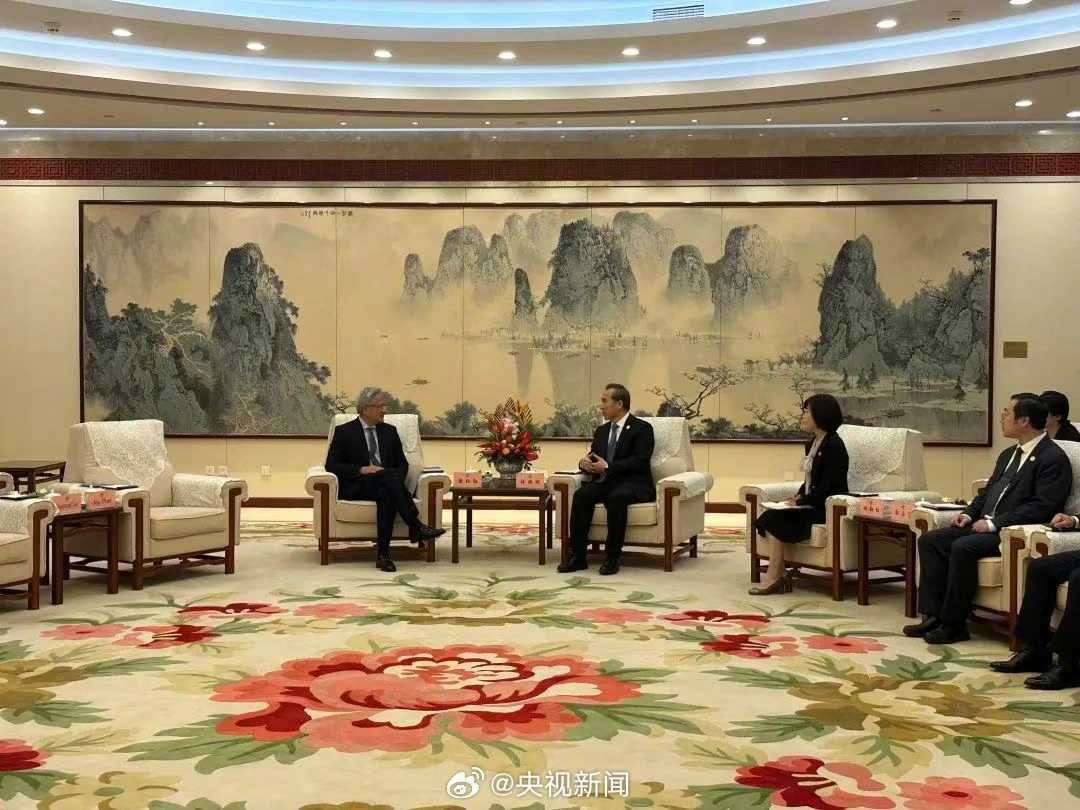
Why China Remains a Priority for NVIDIA
During the talks, Huang highlighted China’s position as a "vital market" for NVIDIA, both as a revenue driver and a hub for innovation. According to industry analysts, China accounts for approximately 20% of NVIDIA’s data center revenue—a segment central to its AI chip dominance. The country’s aggressive investments in AI infrastructure, smart manufacturing, and autonomous vehicles align seamlessly with NVIDIA’s product roadmap, including its H100 GPUs and AI software platforms.
However, the relationship is not without challenges. U.S. export controls, introduced in October 2022 and tightened in 2023, restrict NVIDIA’s ability to sell advanced AI chips to Chinese firms. In response, NVIDIA has developed China-specific products like the H20 chip, tailored to comply with regulations while maintaining performance benchmarks. Huang’s visit suggests a proactive approach to sustaining partnerships, even as geopolitical headwinds persist.
European Perspectives: Lessons in Navigating Global Tech Politics
For European audiences, NVIDIA’s balancing act offers insights into managing tech dependencies amid geopolitical fragmentation. Europe, like China, relies heavily on U.S. semiconductor imports but is simultaneously pushing for strategic autonomy through initiatives like the EU Chips Act. Huang’s pragmatic diplomacy—advocating collaboration while adapting to regulatory constraints—mirrors strategies European tech leaders might employ to safeguard innovation pipelines.
Market Implications: AI Growth vs. Supply Chain Risks
The Beijing meeting also reflects broader trends in the global semiconductor industry:
● Localization Pressures: Companies like NVIDIA face growing demands to localize production and R&D. Huawei’s Ascend AI chips, for instance, are gaining traction in China, threatening NVIDIA’s market share.
● Supply Chain Diversification: European firms should note NVIDIA’s efforts to diversify manufacturing partners (e.g., working with and Samsung) to mitigate U.S.-China trade risks.
● Ethical AI Development: Huang reiterated NVIDIA’s commitment to "responsible AI," a message likely tailored to resonate with European regulators prioritizing ethical tech frameworks.
What’s Next for NVIDIA in China?
While Huang struck an optimistic tone, challenges loom. The U.S. government is reportedly considering further restrictions on AI chip exports, and China’s push for self-sufficiency could reduce long-term reliance on foreign tech. Nevertheless, NVIDIA’s continued engagement—through R&D collaborations with Chinese universities and tailored product offerings—suggests a calculated bet on the region’s enduring influence in AI development.
Key Takeaways for European Businesses
● Adaptability is Critical: NVIDIA’s compliance-focused product adjustments highlight the need for agility in regulated markets.
● Collaboration Over Confrontation: Even amid tensions, public-private partnerships remain vital for tech advancement.
● Monitor Regulatory Shifts: European companies operating in China or reliant on U.S. tech should prepare contingency plans for escalating export controls.
Related Recommendations